
At BookBirds, we provide manuscript completion support for writers who are close but need clarity. We step into unfinished manuscripts, restore direction, and design a structured path to completion.
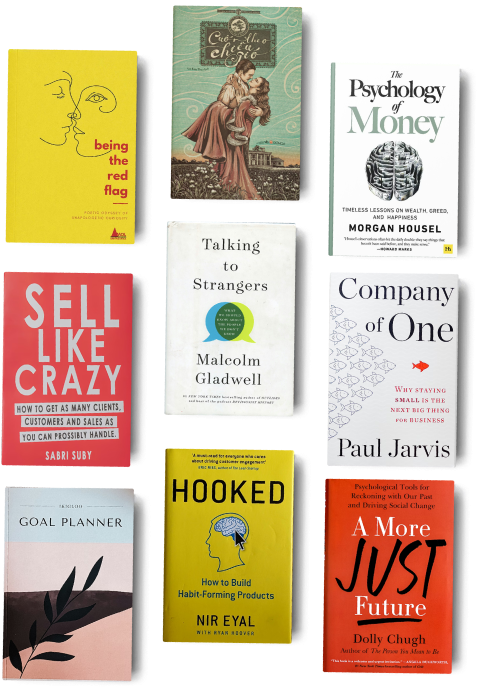




Manuscript completion support is for authors who’ve started writing but haven’t finished. The draft exists. The ideas are there. What’s missing is direction.
We review what’s written, spot the gaps, and build a clear plan to finish the book, strengthening structure and guiding the remaining chapters, without rewriting what you’ve already created.
It’s not ghostwriting. It’s not surface editing. It’s the bridge between: turning an unfinished manuscript into a complete, coherent book.






An unfinished manuscript rarely announces itself loudly. It lingers.
You may have written half the book and stopped.
You may keep rewriting the first chapters without moving forward.
You may know what the book is about but not how it should end.
Sometimes the structure feels unclear.
Sometimes the middle feels heavy.
Sometimes the momentum simply disappears.
This does not mean the book is weak.
It means the path is unclear.
Manuscript completion support becomes necessary when effort no longer creates progress. When the draft exists but the direction does not.
Most books are not abandoned because the author lacked talent.
They pause because the structure was never settled.
And structure can be restored.
This service is for authors who have already done the hard part. You began.
You have chapters written.
You have ideas developed.
You have something real on the page.
But the manuscript feels incomplete.

You do not need someone to write your book for you. You need someone to help you finish it well.
This is for authors who are committed to completion but need clarity to move forward.
Because most unfinished books are not missing talent.
They are missing direction.
Not every unfinished draft needs completion support.
This service may not be the right fit if:
Manuscript completion support is built for authors who are ready to commit to finishing.
It is not a quick fix.
It is not a shortcut.
It is structured guidance for writers who want to bring an existing manuscript to completion with clarity and intention.

If you are ready to finish, this is the right place.
If you are still deciding whether the book matters, that decision comes first.
When you bring us an unfinished manuscript, we do not start rewriting blindly. We begin by understanding what already exists.
We read the draft closely. We look at structure, flow, pacing, and progression. We identify where the narrative drifts, where ideas repeat, and where the book loses direction.
Then we design a path forward.
We assess the manuscript as a whole. What is the central idea? Does each chapter support it? Where are the gaps?
If chapters need to move, combine, or sharpen, we outline those changes clearly. Structure comes before polish.
We create a focused plan for the remaining sections. What needs to be written? What needs strengthening? What can be removed?
Where necessary, we help refine or expand sections so the manuscript moves steadily toward completion.
This is not about changing your voice.
It is about restoring coherence.
Because finishing a manuscript requires more than motivation.
It requires structure.
Finishing a manuscript should feel steady, not chaotic.
Our process is designed to restore direction.

Manuscript Review
We begin with guided conversations that explore key moments, themes, and emotional landmarks. This stage is not about perfect recall. It is about identifying what matters and where the story wants to go.
Strategic Assessment
You receive clear feedback on what works, what feels incomplete, and where the manuscript loses momentum.
Completion Blueprint
We create a structured roadmap outlining revisions, restructuring, and remaining chapters. You know exactly what comes next.
Guided Progress
We move through the manuscript in focused stages. Refining. Restructuring. Completing.
Momentum returns because the path is clear.
Final Alignment
Once the manuscript reaches completion, we review it as a whole to ensure coherence and strength from beginning to end.
This process does not rush the book.
It stabilizes it.
Because finishing well requires clarity, not speed.

Finishing a manuscript should not take over your life. It should move forward with intention.
Most authors do not stall because they lack ideas. They stall because the work feels unstructured and overwhelming.
We replace uncertainty with clarity.
You are not expected to rewrite everything at once. We break the manuscript into focused stages. Each step is defined. Each milestone is clear.
You know what to work on. You know why it matters. You know what comes next.
Progress becomes manageable. Momentum becomes steady.
Because finishing a book is not about working harder. It is about moving forward with direction.
An unfinished manuscript carries weight. A finished one carries authority.
The investment in manuscript completion support reflects the depth of review, restructuring, and guidance required to bring clarity to an existing draft. Scope depends on length, condition, and how much of the book remains unwritten.
What matters more than cost is outcome.
Finishing transforms scattered chapters into a cohesive book. It turns effort into impact. It converts months, sometimes years, of work into something complete and usable.
An unfinished manuscript sits quietly. A finished manuscript moves.
Before we begin, we discuss scope, expectations, and commitment clearly. No ambiguity. No pressure. Just alignment.
Because the true cost is not in finishing. It is in leaving the book unfinished.

An unfinished manuscript still carries your voice. Our role is to protect it.
Manuscript completion support is not about rewriting your work into something unrecognizable. It is about strengthening what is already there.
We study your tone, rhythm, and perspective. The way you explain ideas. The way you move between thoughts. The language that feels natural to you.
When we suggest structural changes or refinements, they are made in alignment with your voice, not in place of it.
You remain the author. The thinking remains yours. The book remains yours.
Our work brings coherence. It does not replace identity.
Because completion should feel like progress, not transformation.
Most unfinished books do not stop because the author lacks ability.
They stop because something structural shifted.
Clarity fades.
Momentum weakens.
The next chapter feels heavier than the last.
Here are the patterns we see most often.

You keep revising early chapters, trying to make them flawless before moving forward. Progress slows. The middle never arrives.
The idea is strong, but the order feels unclear. Chapters overlap. The central message blurs.
The book keeps expanding. New ideas are added without removing old ones. Focus disappears.
Finishing means deciding. It means committing to a final shape. That decision can feel larger than expected.
These are not creative failures.
They are structural challenges.
And structure can be restored.
Not every unfinished book needs the same kind of help.
Understanding the difference matters.

Editing improves what is already complete. It strengthens language, corrects flow, and refines clarity. But it does not solve structural gaps or write missing chapters.
Editing polishes. It does not complete.
This sits in between. You already have a draft. You have written substantial material. What’s needed is structure, direction, and guided momentum to bring the manuscript to a finished state. Completion support restructures, clarifies, and fills what is missing so the book becomes whole. Because most stalled manuscripts do not need to start over. They need to be finished correctly.
Ghostwriting builds a book from the ground up. It is ideal when little or nothing exists on the page, or when the author prefers not to write the manuscript themselves.
Ghostwriting creates.
It does not repair.




A successful completion is not dramatic. It is steady.
The manuscript begins to move again. Chapters connect. The argument sharpens. The ending becomes visible.
Clarity replaces hesitation.
You are no longer revisiting the same pages. You are progressing through defined stages, each one building toward a finished manuscript.
Feedback becomes purposeful. Revisions become focused. Momentum becomes consistent.
By the end, the draft no longer feels fragmented. It reads as a complete book with direction, coherence, and intention.
Most importantly, it feels finished.
Not rushed.
Not patched.
Finished with structure.
Because success is not just about completion.
It is about confidence in what you completed.
Every manuscript is understood in full before recommendations are made.
We fix what actually stalls a book. Not just what is visible.
Voice, intent, and authorship remain intact. Completion support strengthens the work without replacing the writer.
A manuscript is complete only when it reads as one unified book from beginning to end.
Start by identifying why progress stalled. Most unfinished books lack structure, not ideas. Manuscript completion support helps assess your draft, rebuild narrative flow, and create a clear roadmap to finish your manuscript with confidence.
Absolutely! Many development companies offer flexible engagement models, including full-time dedicated developers who work exclusively on your project. This setup provides continuity and deep integration with your team, ensuring your app gets the consistent attention it deserves.
The possibilities are vast. We can develop a wide range of applications, including:
Yes, custom development is our specialty. We collaborate closely with you to understand your specific requirements and create a bespoke app that aligns perfectly with your business objectives and user expectations.
The technologies and tools selected can significantly influence development costs. For instance, opting for native development with Java or Kotlin may offer superior performance but could be more expensive than cross-platform solutions like React Native or Flutter. The complexity of the chosen technology stack, licensing fees, and the need for specialized expertise all play a role in determining the final cost.
We prioritize security and privacy by implementing robust measures, including:
The development timeline varies based on the app’s complexity and features. A simple app might take 2-3 months, while more complex applications could require 6-12 months. We provide a detailed project plan with milestones to keep you informed throughout the development process.
Post-launch, we offer ongoing support and maintenance services to:
This proactive approach ensures your app remains functional, secure, and relevant to users over time.
Post-launch, we offer ongoing support and maintenance services to:
This proactive approach ensures your app remains functional, secure, and relevant to users over time.
The possibilities are vast. We can develop a wide range of applications, including:
Lorem Ipsum is simply dummy text of the printing and typesetting industry. Lorem Ipsum has been the industry’s standard dummy text ever since the 1500s, when an unknown printer took a galley of type and scrambled it to make a type specimen book. It has survived not only five centuries,
You have already done the hardest part. You started.
If your manuscript exists but feels incomplete, unclear, or stalled, this is the moment to bring it back into motion.
We begin with a thoughtful review of your draft. From there, we build a structured plan to help you complete the book with clarity and confidence.
No starting over.
No rushing.
Just steady progress toward a finished manuscript.